Tooth Extractions in Wibsey

As dedicated and compassionate dentists, we believe in doing everything possible to save your natural teeth.
However, there are times when saving a tooth is not the best option for your overall health. Have you been advised to have a tooth extracted but are concerned about the pain involved? Perhaps you are wondering if the extraction will hurt or why it is even necessary.
Tooth extractions in Wibsey are advised only and only when truly necessary and we work in your best interest. Our goal is to ensure the experience is as easy, comfortable, and stress-free as possible for you.
What are tooth extractions, and why are they necessary?
Tooth extraction involves removing a tooth from your jaw after numbing it. While it is always our goal to preserve your natural teeth, there are times when extraction is the best option for your overall oral health.
- Severely damaged tooth: If a tooth is beyond repair due to extensive cavities, injury, or advanced gum disease, extraction is the best way to prevent infection from spreading to nearby teeth or the jawbone.
Recovery and aftercare tips
Although recovering from a tooth extraction is typically simple, it is essential to follow all the aftercare instructions to avoid complications.
Manage discomfort
It is normal to experience mild soreness or swelling following the procedure. Over-the-counter pain relievers and cold compresses can get you some relief.
Soft foods
For the first few days, eat soft foods such as soup, mashed potatoes, yoghurt, bananas, and applesauce. Avoid anything hot, spicy, or crunchy until you have recovered.
Maintain oral hygiene
For the first 24 hours, refrain from spitting out or vigorous rinsing. Swallow your saliva, even if it tastes slightly salty. After a day, gently rinse with salt water and refrain from brushing directly over the extraction site for 2-3 days.
Avoid smoking
It can slow healing and increase the risk of complications. Try to avoid it completely for the first few days after the extraction.
- Orthodontics or teeth straightening: Your mouth may not have enough space to accommodate all of your teeth. In such cases, extractions may be required before beginning orthodontic treatments such as braces to allow for proper alignment.
- Impacted teeth are a common condition of wisdom teeth: The third molars or the wisdom teeth can get stuck under the gums or grow at odd angles near the back of the mouth, causing pain and infection, and necessitating extraction.
- Gum disease complications: Severe gum disease, also known as periodontitis, can deteriorate the bone and tissues that support your teeth. In advanced stages, extracting the tooth may be necessary to maintain your oral health.

Frequently asked questions
Will a tooth extraction hurt?
Modern anaesthetics and techniques make extractions virtually painless. You may experience mild discomfort during your recovery, which can be alleviated with medication and care.
How long does it take to recover from a tooth extraction?
Most people are back to normal within a week, though complete healing of the extraction site may take longer before you are fit for tooth replacement.
Can I eat after a tooth extraction?
Sure, but do not chew on hard foods for a few days after the extraction. Instead, eat soft foods.

Consultation
To decide whether extraction is the best and only option, we will first examine your tooth with X-rays. We will go over the procedure in detail and answer any questions you may have.
LOAD MORE LESS
If you are concerned about the cost of tooth extraction, please speak with us to discuss affordable tooth extraction and payment plans.

Anaesthesia
Concerned about pain? Do not be! We use a local numbing agent to ensure you are comfortable throughout the procedure.
LOAD MORE LESS
For more complex extractions or if you are anxious, we also provide tooth extraction with sedation to help you relax.

The procedure
For simple extractions, we will carefully loosen the tooth before removing it with precision tools.
LOAD MORE LESS
If the tooth is impacted, a small incision in the gum can be made to safely remove it using local anaesthesia.

Aftercare
After the tooth is extracted, we will provide detailed instructions to help you heal quickly.
LOAD MORE LESS
This includes suggestions for dealing with discomfort, changing your diet, and keeping your mouth clean.
What to expect during a tooth extraction
Tooth extractions for nervous patients
Do you fear having a tooth extracted? The biggest fear with tooth extractions is the fear of pain and swelling. Here is how we can help you feel comfortable:
- Personalised care: We will listen to your concerns, explain each step, and keep you informed and confident throughout the process.
- Sedation options: Do you need help relaxing? We provide sedation for tooth extraction to ensure that you have a comfortable and stress-free experience.
- Cutting-edge technology: Our clinic is outfitted with advanced tools, modern numbing techniques, and stringent sterilisation procedures. This ensures minimal discomfort, faster healing, and a smooth preparation for tooth replacement options such as dental implants or bridges.
Are you having trouble with a tooth lately? Contact us at Taylored Dental Care to schedule a quick consultation today.

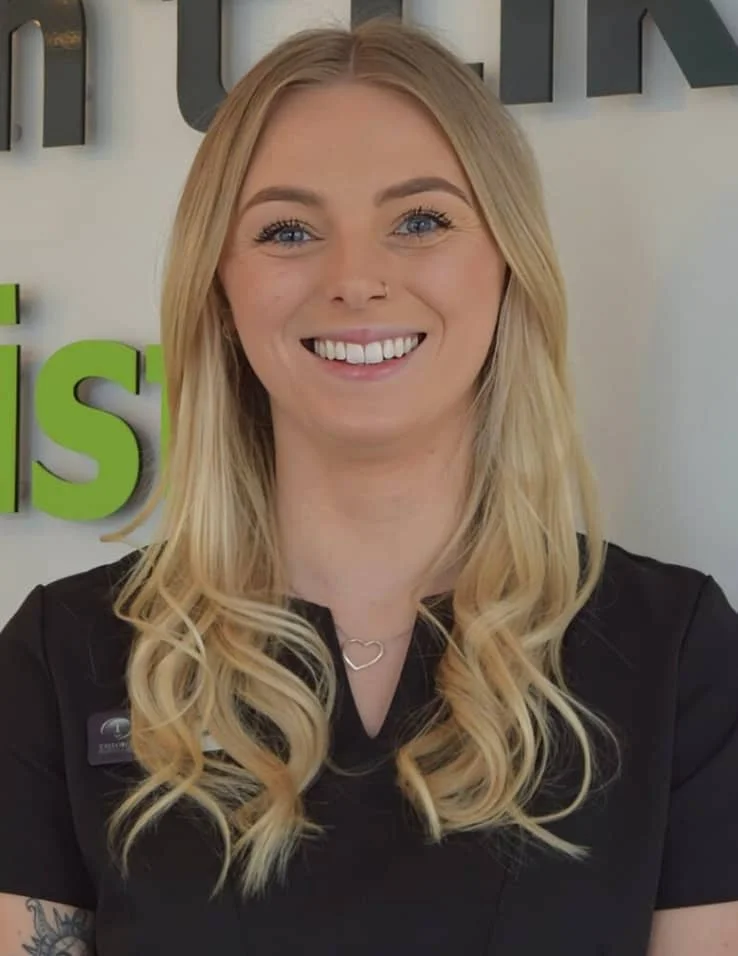
Her dedication to patient well-being and her ability to restore both function and aesthetics make Dr Cutler a trusted provider for individuals seeking high-quality general dentistry and transformative, full-mouth rehabilitation treatments.
Dr Cutler’s approach is characterised by personalised care, taking the time to understand each patient’s unique concerns and working at a pace that suits them. This empathetic methodology is particularly beneficial for individuals undergoing comprehensive treatments, such as full-mouth rehabilitation, where trust and comfort are paramount.
Graduating from the University of Leeds in 2012, Dr. Cutler has dedicated her career to creating a comfortable and supportive environment for her patients. She holds both sedation qualifications and Dental Phobia Certification, highlighting her commitment to assisting nervous or phobic patients in overcoming their dental anxieties.
Her dedication to patient well-being and her ability to restore both function and aesthetics make Dr Cutler a trusted provider for individuals seeking high-quality general dentistry and transformative, full-mouth rehabilitation treatments. Dr Rosina Cutler is an exceptional choice for general dentistry and full mouth rehabilitation at Taylored Dental Care, offering a compassionate and patient-centred approach to dental care.
Dr Cutler’s approach is characterised by personalised care, taking the time to understand each patient’s unique concerns and working at a pace that suits them. This empathetic methodology is particularly beneficial for individuals undergoing comprehensive treatments, such as full-mouth rehabilitation, where trust and comfort are paramount.
Graduating from the University of Leeds in 2012, Dr. Cutler has dedicated her career to creating a comfortable and supportive environment for her patients. She holds both sedation qualifications and Dental Phobia Certification, highlighting her commitment to assisting nervous or phobic patients in overcoming their dental anxieties.
Dr Rosina Cutler is an exceptional choice for general dentistry and full mouth rehabilitation at Taylored Dental Care, offering a compassionate and patient-centred approach to dental care.